Trees are a valuable part of residential gardens, public parks, and commercial landscapes. They provide cooling shade, improve air quality, reduce soil erosion, and create natural spaces where people and wildlife can thrive. However, maintaining healthy trees requires regular care and attention to their changing needs. From proper watering and soil management to pruning and disease prevention, every maintenance activity contributes to the overall condition of a tree. Understanding these practices allows property owners to protect their landscapes and encourage stronger, healthier growth.
A successful tree care routine begins with regular observation. Examining the leaves, branches, trunk, and surrounding soil can help reveal early signs of potential problems. Healthy foliage, steady seasonal growth, and a stable trunk generally indicate good growing conditions. On the other hand, unusual leaf discoloration, damaged bark, and premature branch loss may suggest disease, insect activity, or environmental stress. Identifying these changes early makes it easier to take appropriate action before the tree experiences extensive damage.
Proper soil management is another important consideration. Trees depend on the soil for water, oxygen, and essential nutrients that support root development. Compacted soil can restrict root expansion and make it difficult for water to reach deeper areas. Adding organic mulch around the root zone helps maintain moisture, moderate soil temperatures, and reduce competition from weeds. A suitable mulch layer also gradually contributes organic material to the soil as it decomposes. Keeping mulch away from the trunk prevents excessive moisture from collecting against the bark.
Pruning helps maintain the structure, appearance, and safety of trees. Over time, branches may become weak, damaged, or overcrowded, particularly after storms or periods of rapid growth. Removing problematic branches can improve airflow and reduce the likelihood of falling limbs. It is important to understand that different tree species have different pruning requirements. Making incorrect cuts or removing too much of the canopy can interfere with natural development. For this reason, large pruning projects should be handled by experienced tree care professionals.
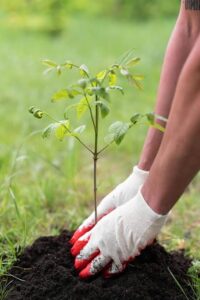
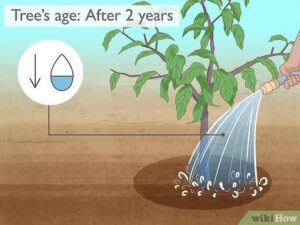
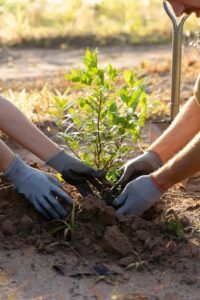
Watering is equally important, particularly for young trees and those growing in areas with limited rainfall. Newly planted trees need consistent moisture while their roots establish themselves in the surrounding soil. Established trees generally require less frequent watering, although hot weather and dry conditions can increase their water needs. Deep watering helps encourage stronger root development, while checking soil moisture before irrigation prevents overwatering. Maintaining proper drainage is essential because standing water can contribute to root deterioration.
Another important responsibility is protecting trees from pests and diseases. Certain insects feed on foliage, damage bark, or weaken branches, while fungal infections can affect different parts of the tree. Regularly checking for unusual spots, holes in leaves, visible insects, and abnormal growth can help identify potential concerns. Appropriate treatment depends on the specific cause of the problem, so professional assessment may be necessary when symptoms persist or spread.
Seasonal maintenance also helps trees remain healthy throughout changing weather conditions. Spring is a useful time to assess new growth and inspect winter damage. During summer, attention should focus on watering and monitoring pest activity. Autumn provides an opportunity to clear fallen debris and evaluate the tree’s overall structure. Winter inspections can help identify damaged branches and prepare vulnerable trees for challenging weather.
Investing in proper tree care offers lasting benefits for property owners and the surrounding environment. Healthy trees improve outdoor appearance, provide valuable shade, and support local ecosystems. By combining regular inspections, responsible pruning, suitable watering, and effective soil management, property owners can prevent many common tree problems. Consistent maintenance and professional guidance help preserve strong, attractive trees that remain valuable features of the landscape for many years.